
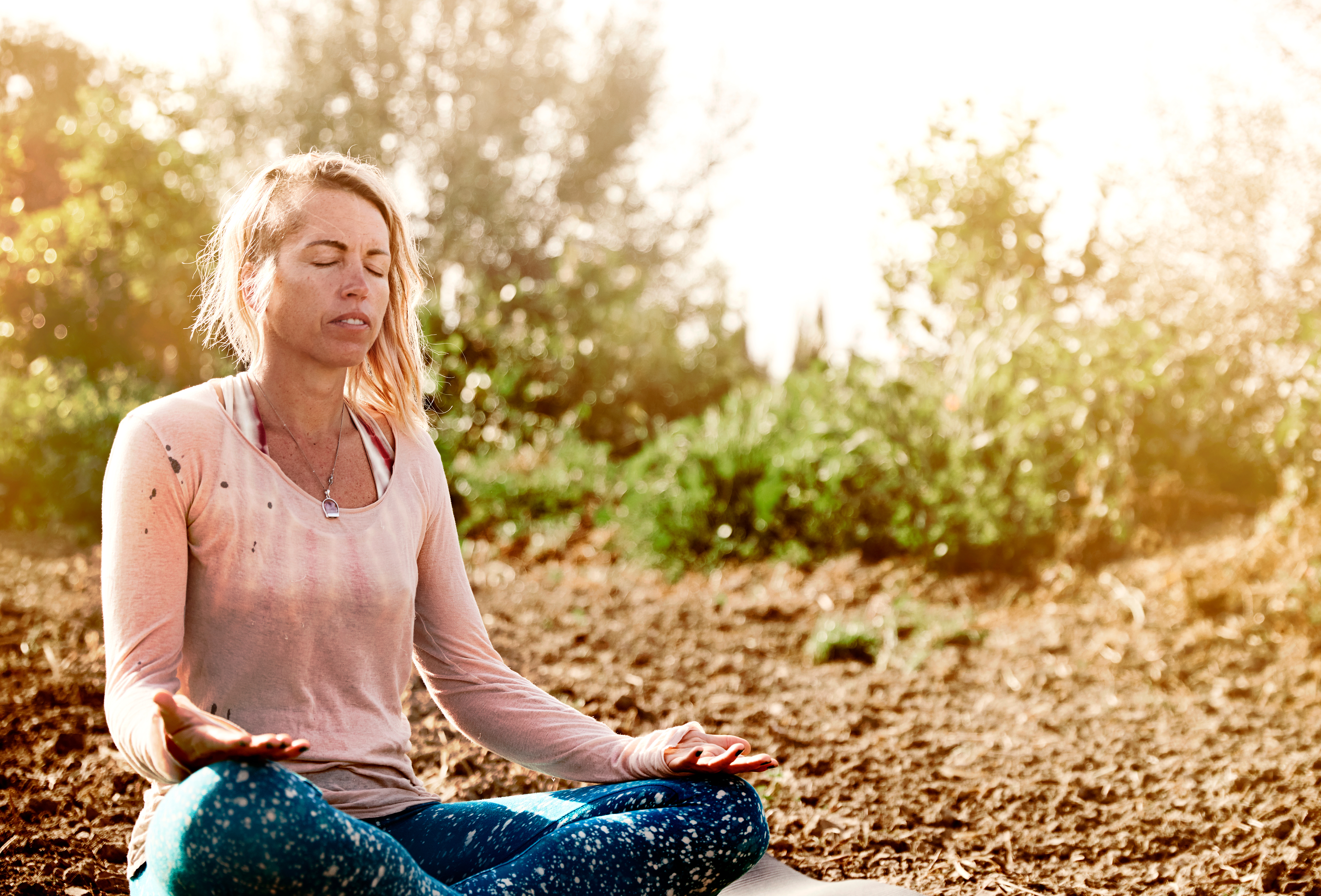
Grounding: a quiet guide to coming back to yourself
— TrustGaia
The word grounding gets used in a lot of ways. In gardening it means turning soil. In electricity it means giving a current a safe path back to earth. In wellness, it means something quietly related: giving your own body and nervous system a safe path back to the ground beneath you, back to the present moment, back to something older and steadier than the noise of a normal day.
At TrustGaia we come back to grounding again and again because it is the practice underneath every other practice we do. Breathwork, cold exposure, movement, ceremony — they all work better when you begin from a grounded place. And on the days when everything feels too much, grounding on its own is often enough.
What grounding actually is
Grounding is the felt experience of being here, in this body, on this earth, at this moment. It is not a belief. It is not a technique you have to master. It is a return.
Most of us spend a lot of the day slightly ungrounded. We are thinking about tomorrow. We are replaying a conversation from yesterday. We are checking a screen. Our attention is spread thin across many places, and our body — which can only exist in one place at a time — is left behind.
Grounding gently reunites the two. It brings your attention back into the body, and it brings the body back into contact with the physical world. When that reconnection happens, the nervous system settles. Breathing slows. Shoulders drop. You feel something you might not have felt in hours: you feel here.
Why it matters
The modern nervous system spends a lot of its time in low-level alert. Not full fight-or-flight, but not fully at rest either. This is why so many people say they feel tired but wired. Grounding, done regularly, tells the body a truth it has been waiting to hear: you are safe, and you can rest.
Over time, a grounding practice builds what we sometimes call felt trust — a body-level sense that the world is holding you, at least in this moment. This is not spiritual bypass. It is not pretending everything is fine. It is simply giving the nervous system permission to come down from alert, so that you can meet whatever life is bringing you from a steadier place.
Simple ways to ground
Grounding does not need equipment or a special setting. Some of the most powerful practices are the simplest.
Barefoot on the earth. Take your shoes off and stand on grass, sand, stone or soil. Feel the weight of your body being received by the ground. Two or three minutes is often enough to shift something.
The five-senses check-in. Wherever you are, name five things you can see, four you can hear, three you can touch, two you can smell, one you can taste. This pulls attention out of the head and back into the sensory body.
Slow, honest breathing. Not a technique — just longer, slower breaths through the nose, letting the exhale be a little longer than the inhale. Do this for a minute or two and watch the body respond.
Cold water on the hands or face. A small dose of cold sharpens presence immediately. It reminds the body it is here.
Sitting with a tree. Find one. Put your back against it. Let it hold you for a while. This sounds simple because it is.
Grounding through routine. Meals eaten slowly, without a screen. Walks without a destination. Making the bed. Washing dishes with attention. These are grounding practices too, even if no one calls them that.
What grounding is not
Grounding is not the same as calming down. Sometimes when you ground, feelings that were being held back finally come up. That is not the practice failing — it is the practice working. The body only releases what it has been carrying once it feels safe enough to.
Grounding is also not a fix. It will not make a hard situation stop being hard. What it does is give you a steadier place to meet the hard situation from. That is often the difference between reacting and responding.
A daily rhythm
Many of our guests ask what a grounding practice looks like day to day. Our honest answer is: small, and consistent, beats big and occasional.
A suggestion: start the day with three minutes of barefoot contact with the ground, outside if possible, in silence. End the day with three slow breaths before you sleep. Between those two anchors, notice throughout the day when you have drifted upwards into thought, and choose one small return — a breath, a stretch, a look at the sky, a hand on the heart.
Over weeks and months, these tiny returns add up. The nervous system learns a new default. You become someone who is, most of the time, actually here.
Coming back to Costa Tropical
We practise grounding at Finca TrustGaia in the most literal way possible. Bare feet on the hillside. Long meals on wooden tables under the sky. Sitting in silence with the sea in the distance. The land itself does most of the work; we just create the space for people to receive it.
Whether you come to a retreat here or simply build the practice at home, the invitation is the same. Come home to the body. Come home to the earth. Come home to yourself. That, at heart, is what grounding is.